
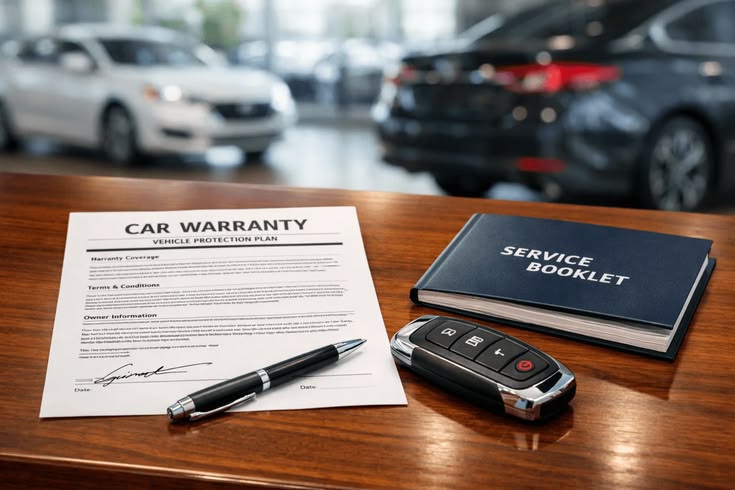
At some point every Canadian car owner asks the same question. My factory warranty is running out, now what? You’ve got two real choices. Take your chances and pay for repairs out of pocket, or look into an extended car warranty Canada drivers can actually rely on. The timing of that decision matters more than most people realise.
This guide walks through when to buy extended coverage, what factory warranty vs extended warranty actually means, and how to avoid paying for something you didn’t need to.
Key Takeaways
- The best time to buy an extended car warranty is before your factory warranty runs out, not after something breaks.
- Manufacturer warranty Canada coverage ends based on time or kilometres, whichever comes first.
- Repairs that show up right after warranty expiration tend to be expensive ones, engines, transmissions, AC systems, and electrical faults.
- Buying direct instead of through a dealer usually means lower cost for the same coverage.
- You can still buy coverage even if your factory warranty already expired, though a waiting period usually applies.
What Happens When Your Factory Warranty Runs Out?
Nothing dramatic happens the day it expires. Your car doesn’t suddenly fall apart. But from that point forward, any mechanical issue is your responsibility, not the manufacturer’s.
That’s the part people underestimate. A manufacturer warranty in Canada typically covers major mechanical systems for a set number of years or kilometres. Once you hit either limit, coverage stops completely.
Manufacturer Warranty Canada Coverage Limits
Most factory warranties run around 3 years or 60,000 km, though this varies by brand. A few manufacturers offer longer terms, especially on powertrain components. Check your paperwork or the manufacturer’s website to confirm your exact cutoff.
Factory Warranty vs Extended Warranty: What’s the Difference?
People mix these up constantly, so here’s the short version.
- Factory warranty comes with a new car and is backed directly by the manufacturer.
- Extended car warranty is purchased separately, either through a dealer or a third-party provider, and kicks in once factory coverage ends.
- A factory warranty is included in the purchase price. An extended warranty is an added cost, but one that can save you far more if something major fails.
The coverage itself can look similar on paper. The real difference is who’s paying the claim and how long that protection lasts.
What Kind of Repairs Tend to Show Up After Warranty Expiration?
This is where a lot of drivers get caught off guard. Cars don’t wait politely until coverage ends before something breaks. In fact, plenty of common issues start developing right around the time factory warranty runs out, especially on vehicles that see hard seasonal use.
Cooling and Engine Problems
Engine overheating is one of the most common and most expensive failures a car owner faces. It’s usually tied to cooling system problems, things like a failing radiator, worn out belts and radiator hoses, or a car battery in hot weather struggling to keep up. Corrosion around battery terminals, sometimes called battery corrosion, can also cause starting and charging issues that get worse over time.
AC and Electrical Failures
A car air conditioning failure is one of the most common warranty claims out there. It’s often caused by a failing AC compressor or a refrigerant leak. Electrical faults, flickering lights, sensor errors, and random warning lights, also tend to show up as a vehicle ages past its original coverage.
Brakes, Tires, and Transmission Wear
Long drives and heat put stress on more than just the engine. Brake overheating on descents, tire blowouts from poor tire pressure and summer heat, and transmission overheating on older fluid are all things a vehicle inspection can catch before they turn into a bigger repair. Checking transmission fluid, brake fluid, and doing a proper tire tread inspection regularly goes a long way toward vehicle breakdown prevention.
When Is the Right Time to Buy an Extended Car Warranty?
Timing actually matters here. Buy too early and you might be paying for coverage you don’t need yet. Buy too late and you’re stuck covering repairs yourself.
Before Your Factory Warranty Expires
This is the ideal window. You get to compare options without pressure, lock in pricing, and avoid any gap in coverage. Most extended auto warranty Canada providers let you buy while your factory warranty is still active, so there’s no reason to wait until the last minute.
Right After It Expires
Still a good time. Some providers apply a short waiting period before claims are accepted, so buying soon after expiration keeps that gap as small as possible.
Years After Expiration
Still possible, but expect more scrutiny. Providers may ask for maintenance records or a vehicle inspection first to confirm the car has been properly looked after. This is where preventive car maintenance and a clean service history really pay off.
How Much Does an Extended Auto Warranty Cost in Canada?
Cost depends on the vehicle, mileage, and coverage level you choose. But the biggest factor is often where you buy it.
- Dealerships tend to mark up warranty pricing significantly, sometimes several times the actual cost of the coverage.
- Direct-to-consumer providers cut that markup out, offering the same protection for less.
For example, Autopair Warranty offers extended car warranty Canada plans starting around $96 a month, with interest-free financing and a $0 deductible on covered repairs. That’s a meaningful gap compared to dealer pricing for similar coverage.
What Should You Look for Before Buying Coverage?
Not all providers are equal, and the fine print matters more than the sales pitch.
- Confirm what’s actually covered. Engine and transmission are standard, but electrical, AC, and cooling system coverage vary by plan.
- Check the deductible. A $0 deductible plan is worth more than a slightly cheaper plan with a high one.
- Ask if you can use any licensed repair shop or only an approved network.
- Look at how claims are paid, directly to the shop or reimbursed to you after the fact.
You can compare coverage tiers and pricing directly on the Autopair plans page before making a decision.
Conclusion
There’s no single right moment to buy extended coverage, but there is a smarter window. Buying before your factory warranty runs out, or shortly after, puts you in the best position and avoids any gap where a breakdown lands entirely on you.
Know your warranty expiration date, keep up with seasonal vehicle maintenance, and compare providers before you need to file a claim, not after.
Frequently Asked Questions
Can I Buy an Extended Car Warranty After My Factory Warranty Expires?
Yes. Most providers will still cover a vehicle after factory warranty ends, though a short waiting period before claims start is common.
Is an Extended Warranty Worth It If My Car Is Still Reliable?
It depends on your risk tolerance. Reliable cars still develop issues eventually, and one major repair, like a transmission or AC compressor replacement, can cost more than years of coverage combined.
What’s the Difference Between Factory Warranty and Extended Warranty Coverage?
A factory warranty comes free with a new vehicle and is backed by the manufacturer. An extended warranty is purchased separately and continues protection once that original coverage ends.
Does an Extended Warranty Cover Seasonal Issues Like Overheating or AC Failure?
Most plans cover mechanical failures like engine overheating, AC compressor issues, and cooling system problems, as long as they’re not caused by neglect. Always check the specific coverage list before assuming something is included.
How Do I Choose a Reliable Extended Car Warranty Provider in Canada?
Look for clear coverage terms, a low or $0 deductible, the ability to use any licensed repair shop, and verifiable reviews. Avoid anyone who pressures you into deciding on the spot.